Axial Commons Image Treasury
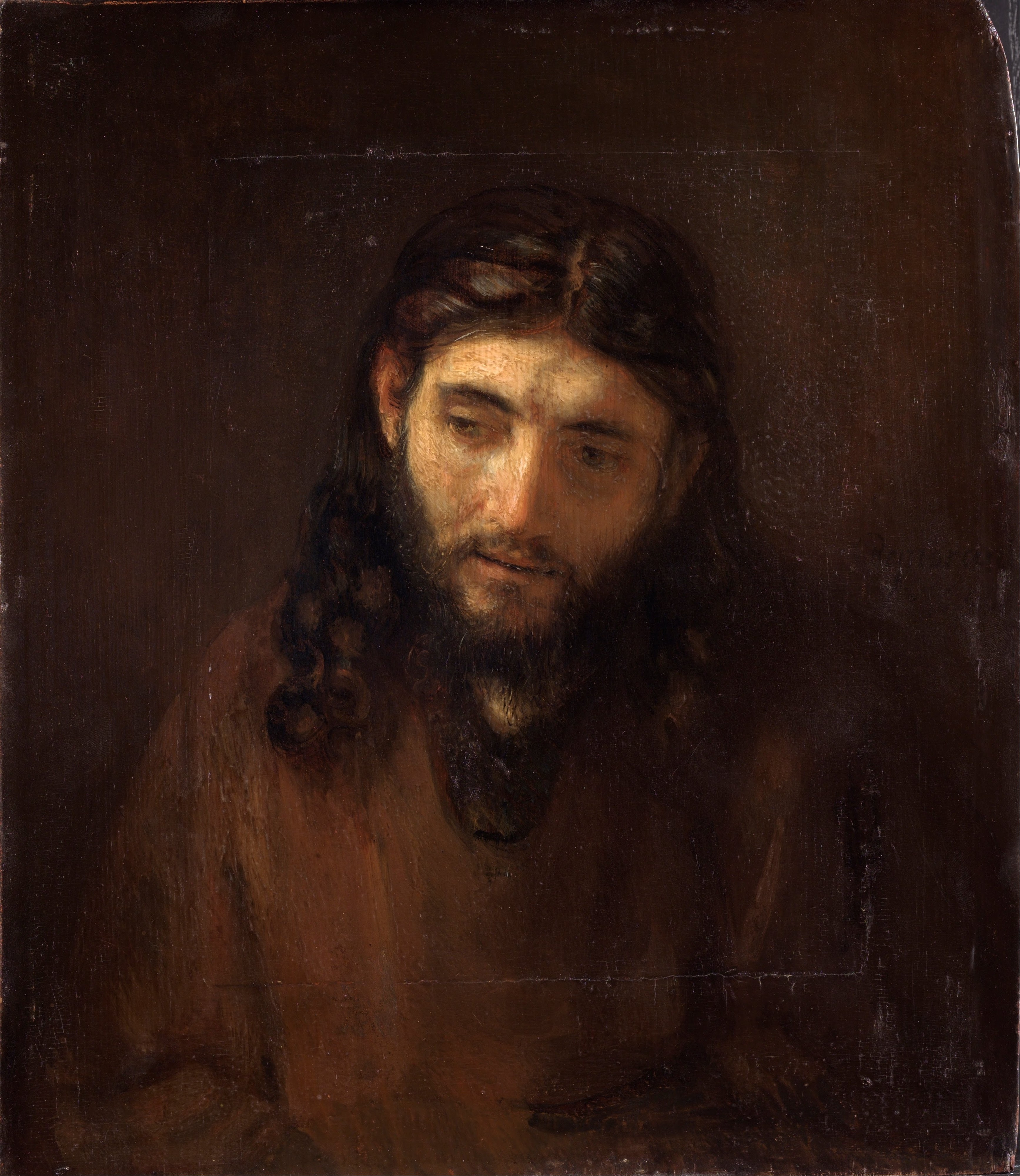
Pintura de um homem barbudo com cabelos escuros e ondulados, cabeça inclinada e olhos baixos, com roupa marrom sobre fundo escuro e luz quente no rosto.

Cabeça de Cristo, retrato de busto de Rembrandt

Esta pintura mostra um homem barbudo de meio corpo, com cabelos escuros, longos e ondulados, a cabeça inclinada e os olhos baixos, vestindo uma peça marrom. A luz quente incide sobre o rosto contra um fundo marrom escuro, e pinceladas soltas e suaves modelam a barba e o tecido, em conformidade com o título do museu, Cabeça de Cristo.

Artista
Rembrandt
Data
1600
Técnica
Fonte
Wikimedia Commons / Wikidata
Tamanho
3470 × 4000 px
Baixar em tamanho original
Domínio público · Rembrandt died 1669 and the work dates by 1600; public domain in the US and life+70 countries.
Direitos verificados 2026-11-05 · nível B · conforme a fonte: Public domain

Crédito (bem-vindo, não obrigatório em obras de domínio público): Rembrandt, via Wikimedia Commons (Public domain)
Mais de A vida de Cristo

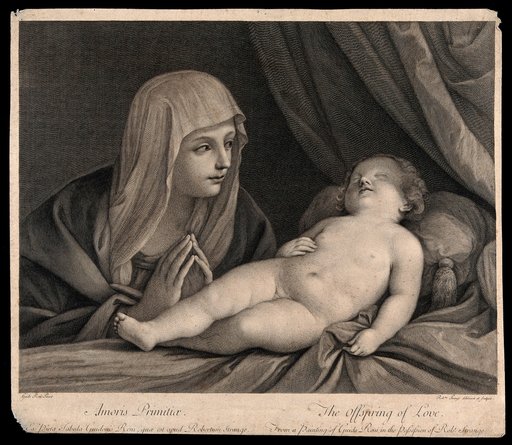
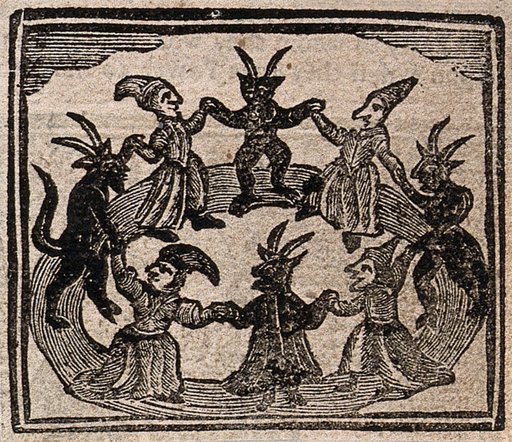
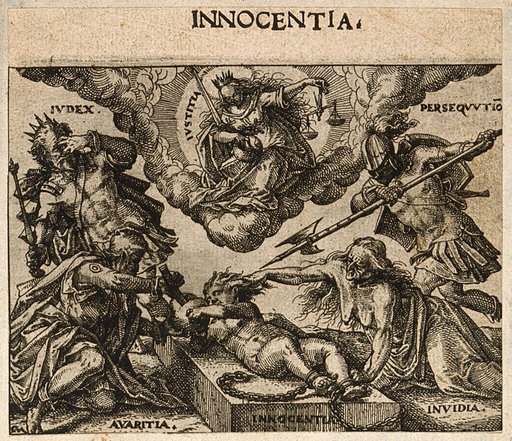
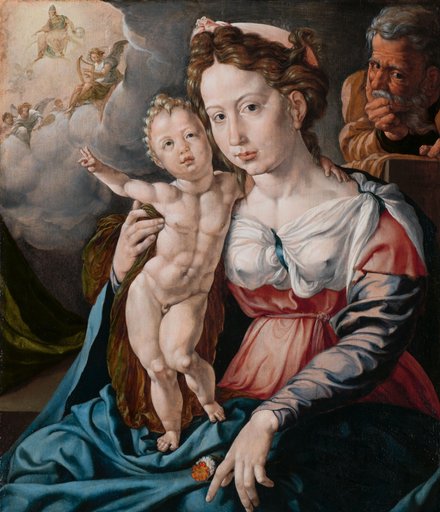
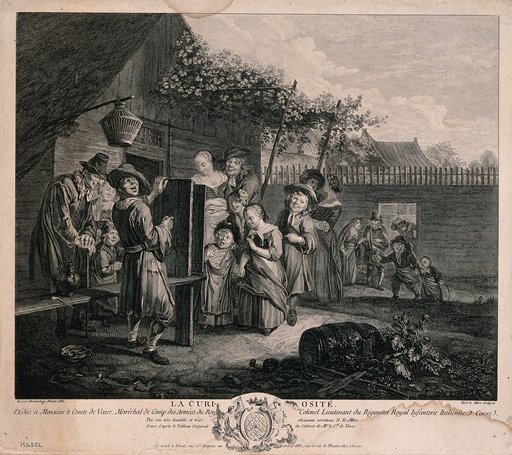
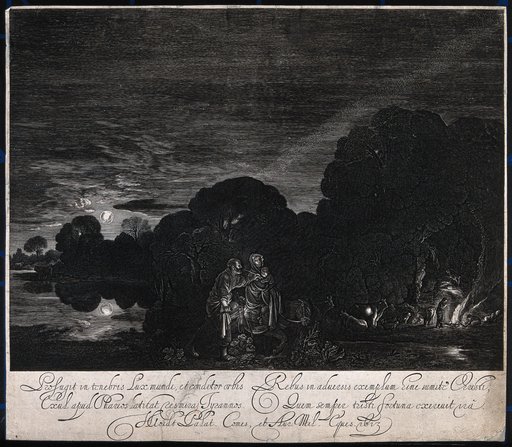
An itinerant young man is presenting a "boîte à curiosité" or magic lantern show to children and adults who are gathering around to look. Engraving by Noel Le Mire, 1752, after R. Brakenburg.An itinerant young man is presenting a "boîte à curiosité" or magic lantern show to childrThe flight into Egypt in the night, illuminated by the moon and the milky way. Engraving by H. Goudt, 1613, after A. Elsheimer, 1609.The flight into Egypt in the night, illuminated by the moon and the milky way. Engraving bSaint Mary (the Blessed Virgin) with the sleeping Christ Child. Line engraving by R. Strange after G. Reni.Saint Mary (the Blessed Virgin) with the sleeping Christ Child. Line engraving by R. StranWitchcraft: witches and devils dancing in a circle. Woodcut, 1720.Witchcraft: witches and devils dancing in a circle. Woodcut, 1720.Innocence attacked from four corners by "Iudex", "Persequutiō", "Avaritia" and "Invidia"; Justice looks down from above. Etching by C. Murer after himself, c. 1600-1614.Innocence attacked from four corners by "Iudex", "Persequutiō", "Avaritia" and "Invidia"; De Heilige FamilieDe Heilige Familie