Axial Commons Image Treasury
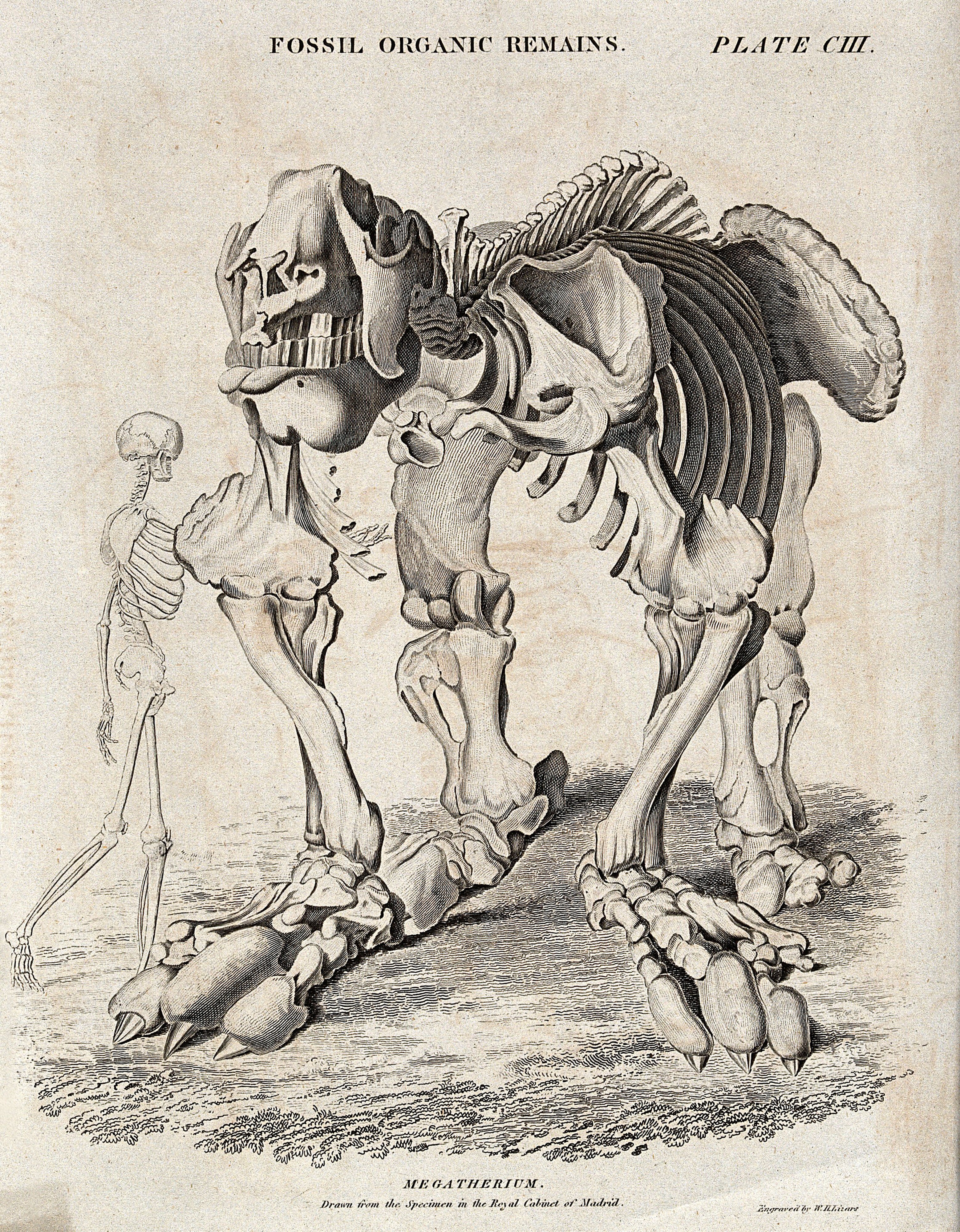
Gravura de um grande esqueleto fóssil de preguiça-terrestre ao lado de um pequeno esqueleto humano para comparação de tamanho.

Esqueleto de Megatério ao lado de um esqueleto humano

Uma gravura mostra o esqueleto de uma grande preguiça-gigante terrestre, o megatério, com membros maciços, crânio pesado e costelas curvas, em pé ao lado de um pequeno esqueleto humano à esquerda para comparação de tamanho. O título 'Fossil Organic Remains' e 'Plate CIII' aparecem no topo.

Artista
William Home Lizars
Data
1822
Técnica
Etchings Engravings
Fonte
Wellcome Collection
Tamanho
3117 × 4000 px
Baixar em tamanho original
Domínio público · Wellcome Collection marks it Public Domain Mark; made by 1822.
Direitos verificados 2026-11-05 · nível A · conforme a fonte: Public Domain Mark (Wellcome Collection)

Crédito (bem-vindo, não obrigatório em obras de domínio público): Wellcome Collection
Mais de Anatomia e medicina

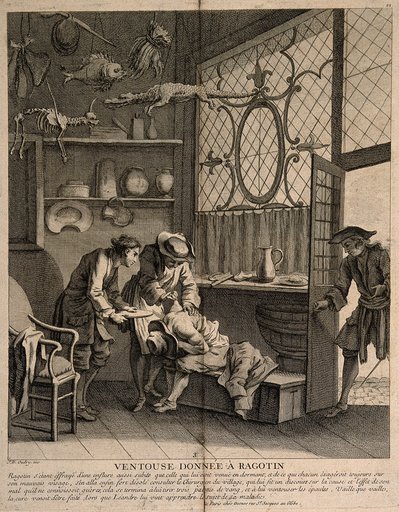
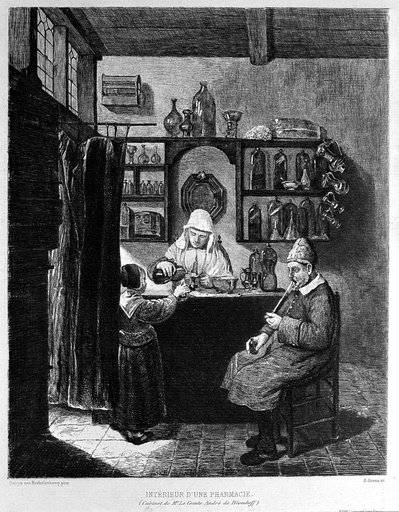
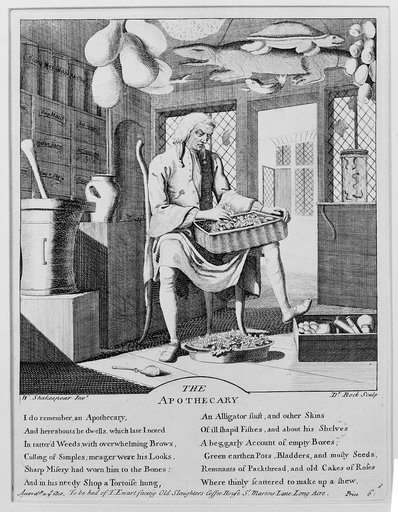
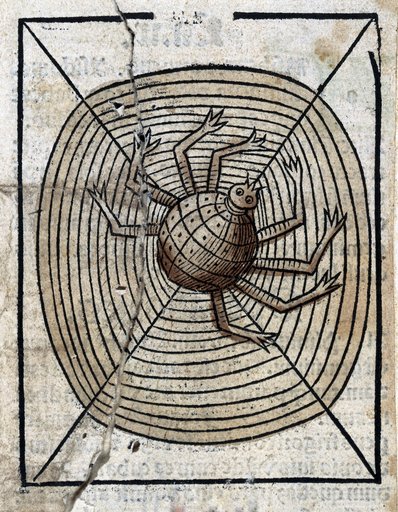
The first plague in Egypt, rivers turned to blood. Coloured etching.The first plague in Egypt, rivers turned to blood. Coloured etching.A surgeon applying the method of cupping to Ragotin, who believes his body has swelled in his sleep. Engraving by G. Huquier the elder after J.B. Oudry.A surgeon applying the method of cupping to Ragotin, who believes his body has swelled in A female apothecary mixing up a prescription for a child. Etching by G. Greux, 187-,  after Q.G. van Brekelenkam.A female apothecary mixing up a prescription for a child. Etching by G. Greux, 187-, afteAn apothecary sitting in his shop, sorting through materia medica, surrounded by paraphernalia of his profession. Engraving, ca. 1750.An apothecary sitting in his shop, sorting through materia medica, surrounded by paraphernOrtus sanitatis.Ortus sanitatis.Antony Cass (1776-?1828), surgeon-apothecary at Leeds. Oil painting attributed to William Robinson.Antony Cass (1776-?1828), surgeon-apothecary at Leeds. Oil painting attributed to William