Axial Commons Image Treasury
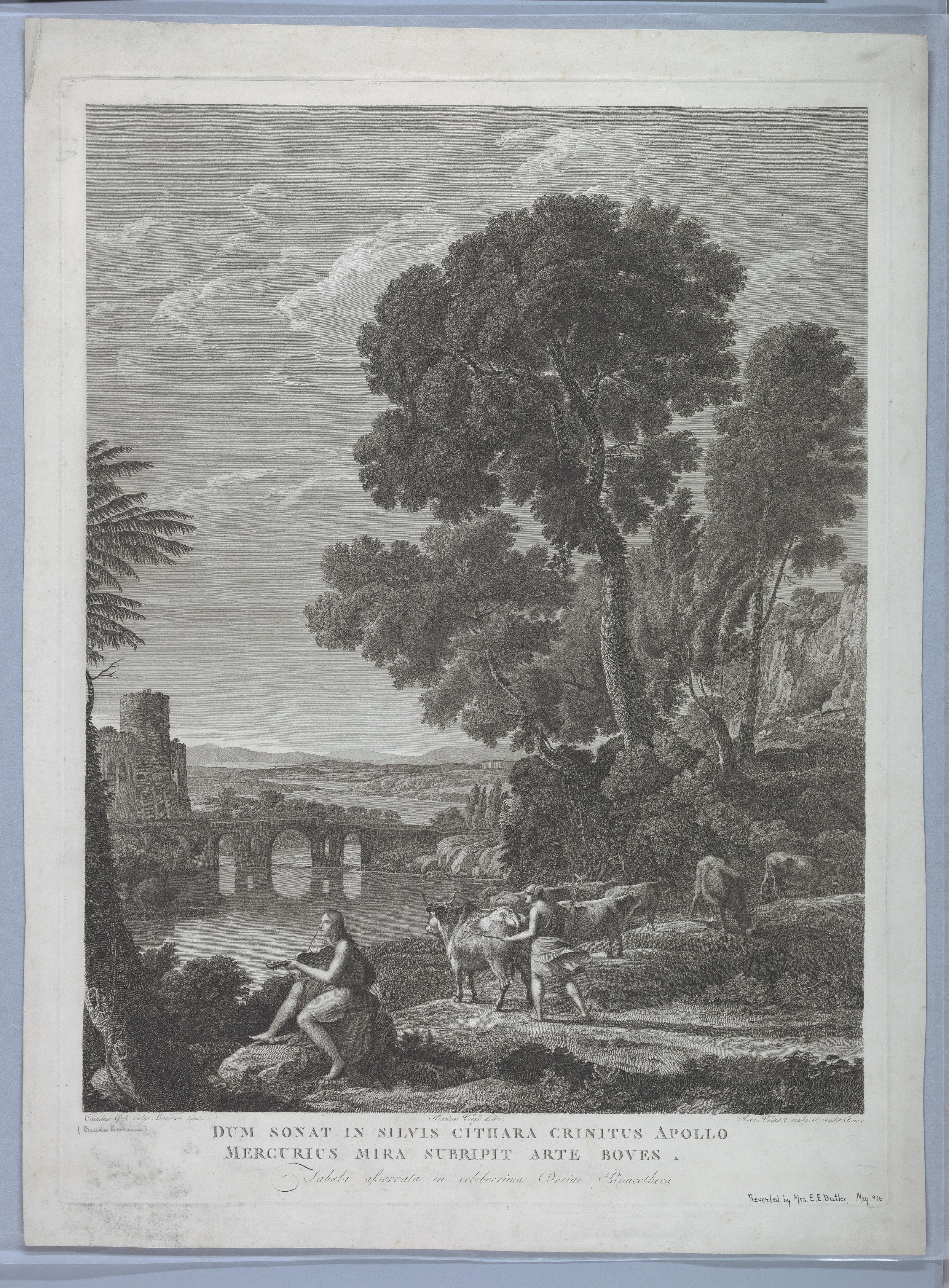
Gravura em preto e branco de uma ampla paisagem com uma figura sentada à esquerda, uma ponte de pedra, árvores e um homem conduzindo gado por um caminho.

Apolo e Mercúrio, paisagem gravada com gado

Uma paisagem gravada que mostra uma figura sentada junto a uma margem rochosa no canto inferior esquerdo, com uma ponte de pedra, uma torre e árvores altas ao fundo. Uma figura em pé conduz gado por um caminho perto do centro, e uma inscrição em latim percorre a margem inferior.

Artista
Giovanni Volpato
Data
ca. 1790
Técnica
Engraving on paper
Fonte
Smithsonian (Cooper Hewitt, Smithsonian Design Museum)
Tamanho
2948 × 4000 px
Baixar em tamanho original
Domínio público · Smithsonian (Cooper Hewitt, Smithsonian Design Museum) releases this image under CC0 (latest date 1795).
Direitos verificados 2026-11-05 · nível A · conforme a fonte: CC0 (Smithsonian Open Access)

Crédito (bem-vindo, não obrigatório em obras de domínio público): Smithsonian Institution, Cooper Hewitt, Smithsonian Design Museum
Mais de Mitos gregos e romanos

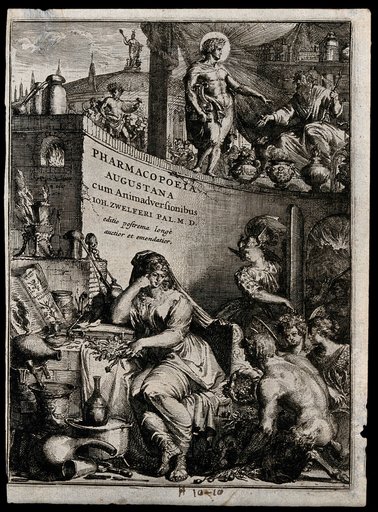
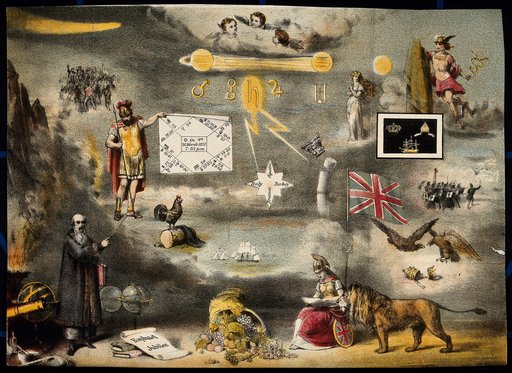
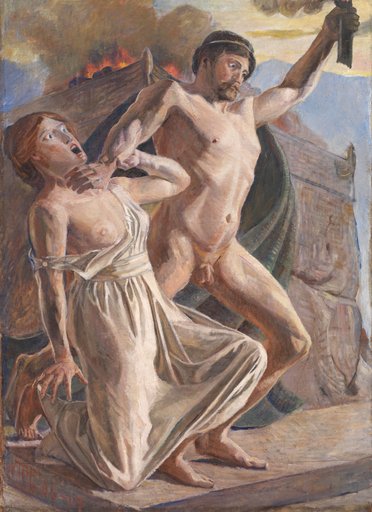
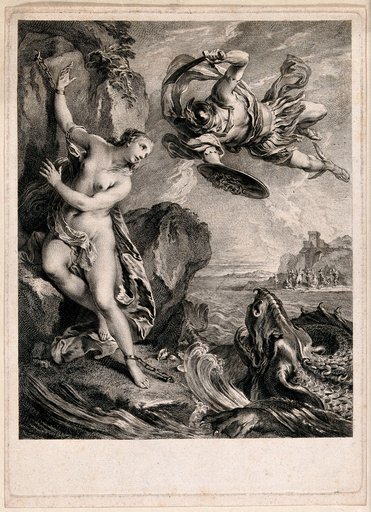
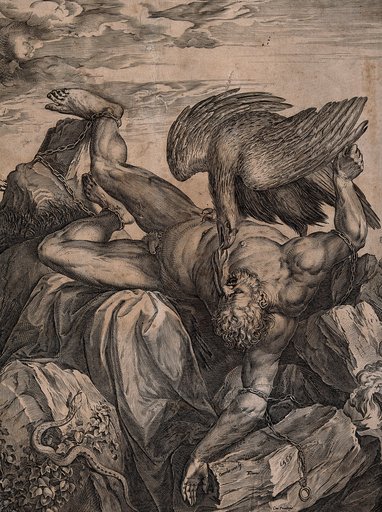
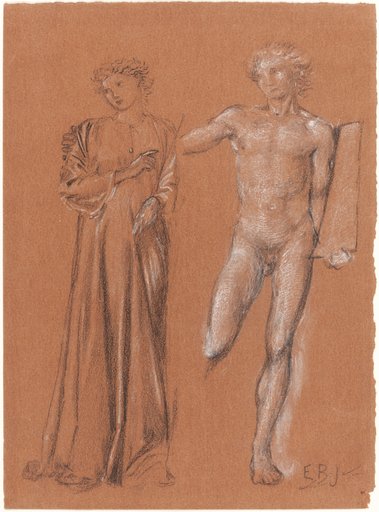
Prometheus bound to a rock, his liver eaten by an eagle. Engraving by C. Cort, 1566.Prometheus bound to a rock, his liver eaten by an eagle. Engraving by C. Cort, 1566.Orpheus and EurydiceOrpheus and EurydiceA woman representing pharmacy receives gifts of materia medica from vegetable and mineral sources, and with the aid of a herbal distils them into medicines; above, Apollo gives authority to Hippocrates as other Olympians stand outside the temple of Aesculapius. Etching by R. de Hooghe.A woman representing pharmacy receives gifts of materia medica from vegetable and mineral Astronomy: various apocalyptic scenes, including a comet, lightning, and French soldiers. Coloured lithograph, [c.1847?].Astronomy: various apocalyptic scenes, including a comet, lightning, and French soldiers. Prometheus raner ildenPrometheus raner ildenPerseus rescuing Andromeda from a sea-monster. Engraving by L. Cars, 1728, after F. Lemoine.Perseus rescuing Andromeda from a sea-monster. Engraving by L. Cars, 1728, after F. Lemoin